This is the master list. If you've read anything else on this site, you've probably seen a few of these answered in more depth elsewhere; I've linked out where that's true. Consider this the one page to bookmark and come back to as your own questions come up.
Getting to Know the Plateau
1. What's the difference between Highlands, Cashiers, Scaly Mountain, Sapphire, and Glenville?
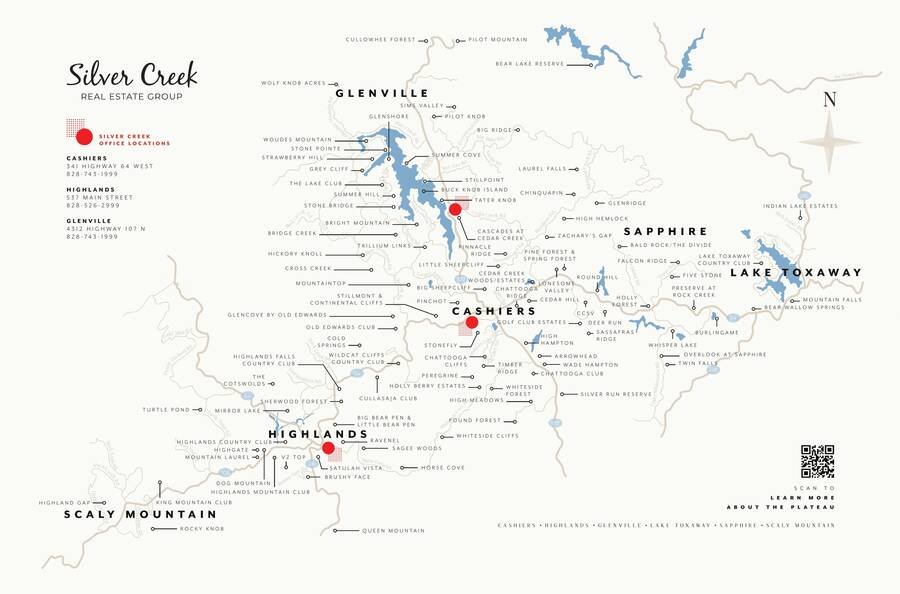
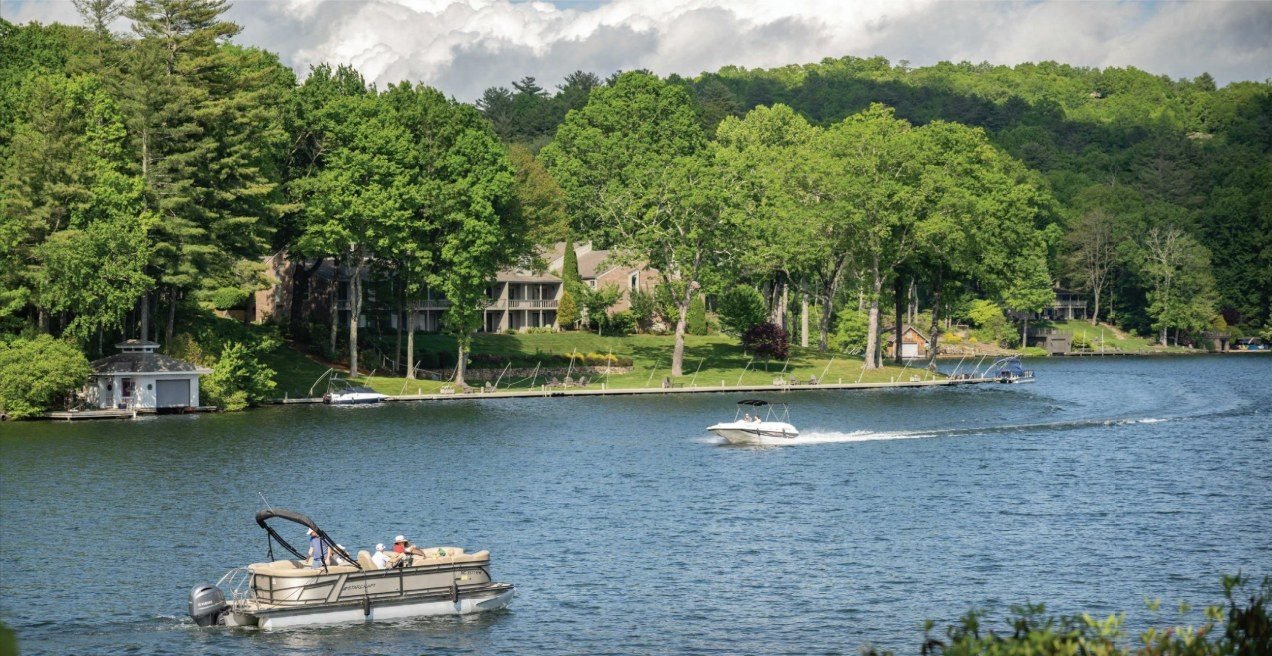
More than most buyers expect. Highlands is the one with an actual walkable downtown. Cashiers is quieter and more spread out, with bigger lots and some of the Plateau's most exclusive clubs. Scaly Mountain is the value play, Highlands-adjacent without Highlands pricing, but with no downtown of its own. Sapphire is built around resort amenities like skiing and golf rather than a town center. Glenville is about Lake Glenville specifically, boating and lake life at elevation. They're genuinely not interchangeable, and I'd rather you know that before we start touring than after.
2. Should I buy in town, in a country club community, or on a mountain estate?
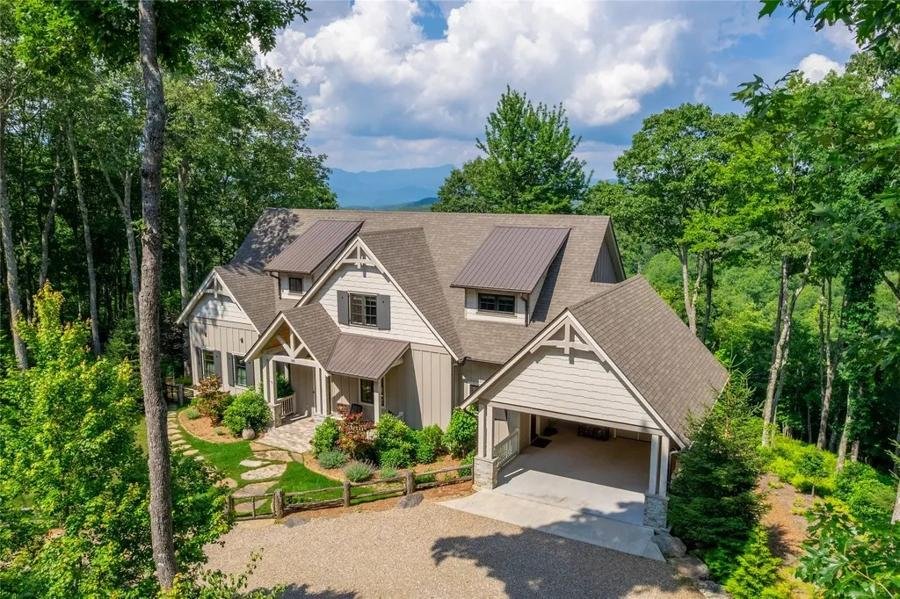
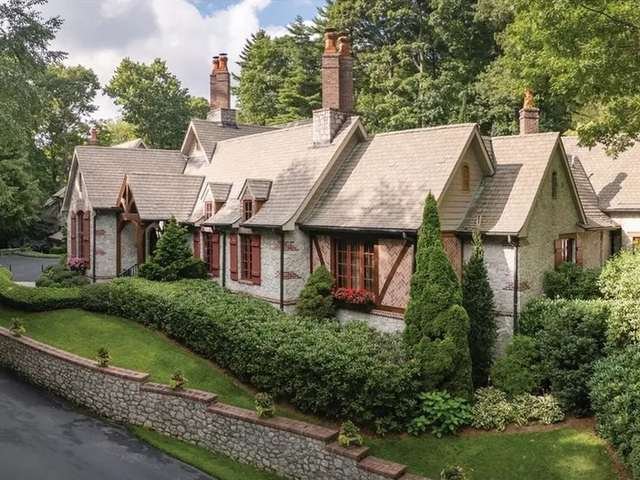
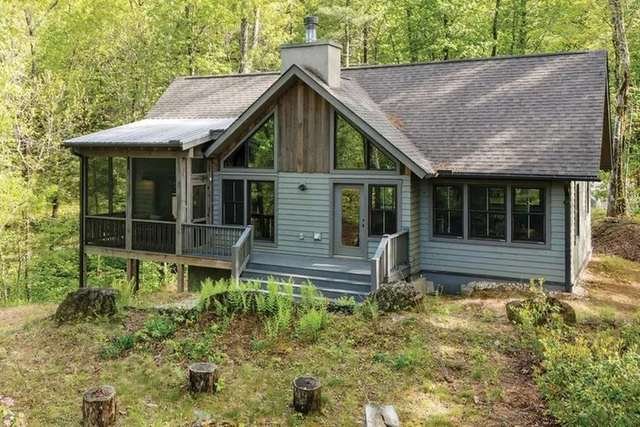
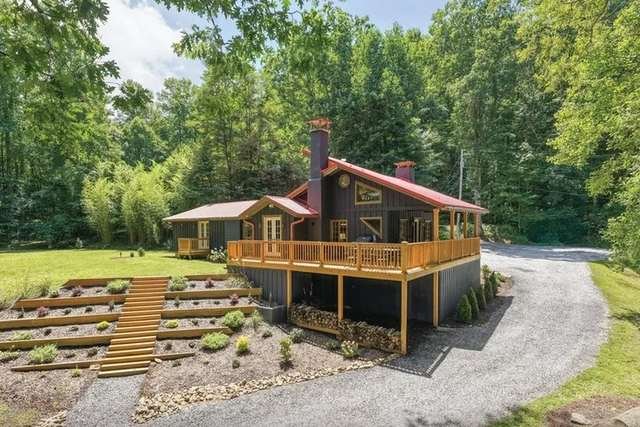
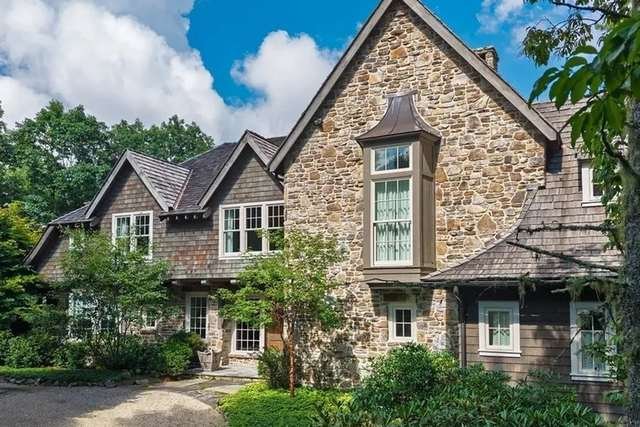
That depends on what an average Tuesday looks like for you, not what your ideal vacation looks like. In-town means walkability and a smaller lot. A club property means a built-in social calendar and dues that come with it. An estate means privacy, acreage, and no clubhouse. The buyers who end up happiest are the ones who picked based on how they actually live, not just how the photos made them feel.
3. Do I have to join a country club to live here?
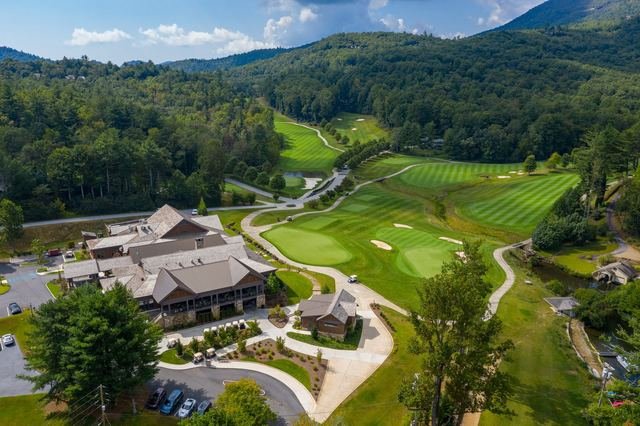
No. Plenty of Plateau homes have no club affiliation at all, especially in-town properties and estate lots outside a club's footprint. But if club life, golf, dining, a pool, a built-in social circle, is part of what you're picturing, it's worth deciding that early, because private clubs aren't interchangeable. Golf style, culture, amenities, and membership structure all vary meaningfully from one to the next.
4. How far is “too far” from downtown Highlands?
It depends on what you're actually driving to, and how often. Cashiers is about 15 minutes away on NC-64. Scaly Mountain is closer than most people expect, about 9 miles and 13 minutes on NC-106. Franklin, where a lot of full-time residents do bigger errands, is around 30 minutes. A weekend retreat 25 minutes from everything can feel perfectly fine. A full-time home at the same distance can start to feel isolating if you underestimated how often you'd actually be in the car, especially once winter weather is part of the picture.
5. What does $1 million, $2 million, and $3 million actually buy on the Plateau?
Roughly speaking: around $1 million, you're choosing between size, location, and condition, and you can usually get two of the three. Around $2 million, the market opens up into real club options and well-maintained acreage outside a club. At $3 million and up, you're generally looking at premier club addresses, lake waterfront, or substantial privacy, with custom and recently renovated homes dominating the inventory. Those numbers are directional, not a price guide. The Plateau is a narrow, low-inventory market, so I'd confirm current comps with me before anchoring a budget to any figure you read online.
The Buying Process
6. What does the buying process actually look like?
Before I send a single listing, we talk through why you're buying, how you'll use the home, your budget, timing, and priorities. From there we narrow communities and properties and spend time looking, which is usually where priorities get clearer. When you find the right one, I help build an offer strategy based on comparable sales and the specific circumstances of that listing. Once you're under contract, we move into due diligence, coordinating inspections and evaluations and tracking deadlines through to closing. And once you own the house, I'm still the person you call when you need a plumber, a painter, or someone to check on the place after a storm.
7. Can I buy a home here if I live out of state?
Yes, and most of my buyers do. Distance means communication matters more, so I keep you updated throughout the transaction, coordinate the things that have to happen locally, and make sure being a few hours or a few states away doesn't leave you guessing about your own purchase. If the right property comes on the market while you're somewhere else entirely, we figure that out too.
8. Do I need a local buyer's agent, or can I use my agent from back home?
I'd strongly recommend someone local, and not just because it's good for my business. A generic listing description won't tell you whether a driveway is passable in an ice storm, whether a well has ever run low in August, or whether a road is privately maintained by six neighbors who've never agreed on anything. That information lives in an agent's memory of having walked the property or sold others nearby, not in the MLS. Comps also work differently here: two houses half a mile apart can be worth very different amounts depending on view protection, road maintenance, and usable land, in ways a generic-market agent won't necessarily catch.
9. Should I buy the renovated house or the fixer-upper?
It depends on your tolerance for coordinating mountain construction logistics, which move slower and involve fewer available contractors than most buyers expect coming from a bigger market. Renovation isn't automatically a dealbreaker. Sometimes the right location with dated countertops is a much better purchase than a perfect kitchen in the wrong spot. The honest answer depends on your timeline, your patience for the process, and whether you have the local relationships to manage a renovation from a few hours, or a few states, away. I can help you weigh that specifically against a property you're considering.
10. Is now a good time to buy?
That's really a question about a specific property and a specific budget, not the market broadly, since Plateau market conditions shift by area and price tier faster than a general “is now a good time” answer can capture. Check the current issue of my quarterly market report for the latest numbers I have live, and if you want a read that's specific to your situation, that's a conversation, not a blog post.
Due Diligence & the Property Itself
11. What should I look at before making an offer, beyond a standard inspection?
More than most buyers think. I walk every property against a list of 17 things, including road maintenance, driveway grade, sun exposure, water intrusion, retaining walls, septic capacity, well versus public water, tree coverage, view easements, and contractor access, before my buyers write an offer. None of it shows up on a standard listing sheet or a typical home inspection. I've written the full list in detail (coming soon) if you want to see exactly what I'm checking and why.
12. Who maintains the driveway and the road?
Check before you assume the county does. A lot of Plateau properties sit on private roads maintained by an HOA or a handful of neighbors splitting the cost, not the municipality. Before I let a buyer fall for a driveway view, I find out who plows it, who grades it after a hard rain, and what the annual dues actually look like. A beautiful house on a road nobody maintains is a problem you inherit in February.
13. Is the water well or public, and what about septic?
Most homes outside the town centers run on well water and septic rather than municipal service, and that's normal here, not a red flag. For septic, I ask for the permitted bedroom count and pump records going back at least five years. For wells, I want flow rate and a recent water quality test before we get much further into a deal. Neither should be a dealbreaker on its own, but both deserve real answers before closing, not assumptions.
14. Do I need a generator?
I'd budget for one if the house doesn't already have it. Winter power outages happen up here more than buyers coming from flatter, more developed areas expect, and the cost of a whole-house generator is a lot easier to plan for in advance than to arrange in an emergency.
15. Will my internet and cell service actually work?
Don't assume from a coverage map. Service varies by specific road, not just by town, which surprises people more than almost anything else on this list. If you're planning to work remotely from the house even occasionally, I test connectivity in person, standing in the actual house, before you're deep into a decision on that property.
16. What's the deal with views, and can I lose mine?
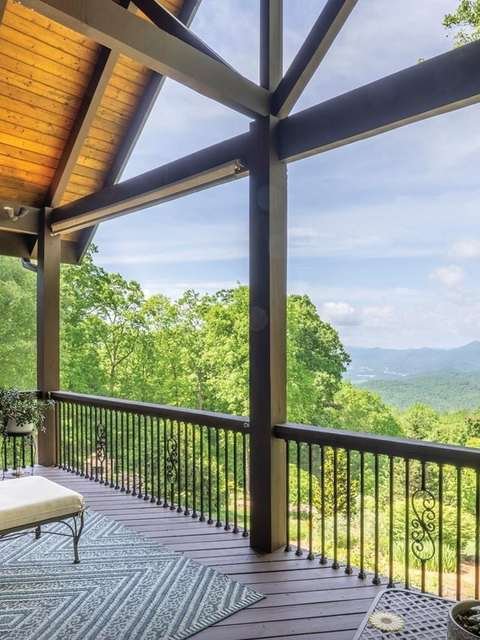
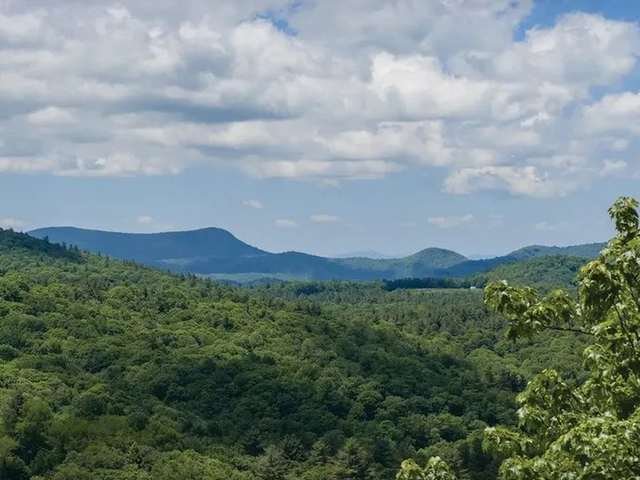
A great view today isn't guaranteed to stay that way unless something legally protects it. I check whether a view is protected by a covenant or easement, or whether a neighbor's future build could eventually take it away. It's one of the most overlooked items on a mountain due diligence list, and one of the most expensive to get wrong.
Costs of Ownership
17. What does it actually cost to own a second home here, beyond the mortgage?
More than a flatland second home, and in different categories than most buyers expect: driveway and road upkeep, tree work, septic and well servicing, HVAC and dehumidification, a generator, winterization if you're not here full time, property management, cleaning, club dues if applicable, and insurance that accounts for wildfire risk and distance from a fire station. Individually none of these is dramatic. Stacked together, I usually tell buyers to plan for somewhere between one and two percent of the home's value per year in total carrying costs beyond the mortgage, though that range moves depending on whether you're full-time, part-time, or renting the property out.
18. What are property taxes like?
It depends on which county you're in. Highlands and Scaly Mountain sit in Macon County, currently taxed at $0.27 per $100 of assessed value. Cashiers, Sapphire, and Glenville sit in Jackson County, at $0.31 per $100, which works out to roughly $800 a year more on a $2 million assessed home. Reappraisal timing matters too: Macon County's next reappraisal is 2027, while Jackson County just reappraised in 2025 and won't again until 2029. If you're buying in Macon County soon, budget for a possible jump in a couple of years.
19. Do I need to winterize the house if I'm not here in the winter?
Yes, in some form. If you're not living here full time, properly closing the house for winter, or keeping it heated enough to prevent frozen pipes, is its own annual line item, whether you handle it yourself or hire it out. How the HVAC is zoned and how well the pipes are insulated both factor into what that actually involves for a specific house.
20. Who takes care of the house when I'm not there?
That's worth deciding before you close, not after the first time a storm rolls through and you're not sure who to call. Options range from a simple check-in service to full property management, depending on how hands-off you want to be. I've built a network of contractors, service providers, and local resources over the years, and I share it with clients well past the closing table. My job doesn't end when the transaction does.
Renting & Investment
21. Can I Airbnb or rent my home short-term?
It depends heavily on the specific address, not a Plateau-wide yes or no. Properties inside Highlands or Cashiers town limits are most likely to have specific short-term rental ordinances covering permitting, occupancy, and noise, and those rules get revisited periodically. Property outside town limits falls under county rules instead, which are often less restrictive but not always. And even where the town or county allows it, your club or HOA may prohibit it regardless. If rental income is part of your plan, I check zoning, permit requirements, occupancy tax obligations, and covenant restrictions on that specific property before we write an offer, not after.
22. Is a mountain home here a good investment?
That depends entirely on what “investment” means to you. If you mean rental income, the honest answer is it depends on the specific address and whether short-term rental is even allowed there, so see the question above before building a budget around it. If you mean long-term value, the Plateau is a narrow, low-inventory luxury market that tends to hold value differently than a typical suburban subdivision, but I'd rather show you real comparable sales for a specific property than speak in generalities about appreciation.
Living Here
23. What don't people from Florida or Atlanta expect about owning a mountain home?
Mostly the maintenance rhythm. Elevation changes how humidity behaves in the house, which is why a lot of homes here run separate dehumidification systems. Driveways that look fine in July can be genuinely different in a January ice storm. Contractors and service providers are fewer and busier than in a bigger market, so timelines for repairs or renovations run longer than buyers coming from Atlanta or South Florida are used to. None of it is a reason not to buy here. It's just worth knowing going in so nothing catches you off guard in your first winter.
24. How do I choose between the different private clubs?
Start with how strongly you already feel about a specific club. If you've played the course as a guest or friends already belong and the culture is exactly what you're picturing, I'd start with the club and let it narrow the real estate search. If you're comparing several clubs against each other, I'd flip that order: we look at how you actually want to live, walkable versus tucked into the mountains, golf versus lake versus general amenities, and let that point toward two or three clubs worth touring in person. A visit to the clubhouse and course tells you more in twenty minutes than any comparison I could write here.
25. When's the best time of year to visit and look at homes?
Whenever you can actually picture living here, ideally more than once. Summer shows you the Plateau at its most social and its busiest, especially in Highlands. A visit in late fall or winter shows you what the drive, the driveway, and the light actually look like in the season most buyers forget to picture. If you're seriously considering a property, I'd encourage seeing it in more than one season before you commit, since the house that photographs beautifully in July can feel very different in February.
Still have a question that's not here? That's the point of this list, not the limit of it. If you've got a question specific to a property, a neighborhood, or your own situation, that's exactly the kind of thing worth a real conversation instead of a general answer.